
By the end of this chapter, you will be able to:
Mastering these safety skills helps you work confidently and protects everyone in the workshop, making you a reliable and responsible tradesperson.
Plumbing is a fundamental skill in building technology, essential for ensuring safe and efficient water supply, drainage, and sanitation systems in structures. In Kenya, competent plumbing practices directly impact public health, water conservation, and sustainability, especially in urban and peri-urban developments where infrastructure demands are high. This chapter focuses on the practical aspects of carrying out plumbing tasks, emphasizing workshop safety and mastery of plumbing hand tools, which are critical for professional plumbers in Kenya's construction industry.
Plumbing workshops present unique hazards due to the combination of water, tools, and materials such as pipes and fittings. Ensuring safety in this environment protects workers from injuries and prevents damage to equipment and property. Kenyan plumbing professionals working in training institutions, county government workshops, or private construction firms must adhere to strict safety protocols to maintain a safe working environment.
Plumbing workshop safety procedures are systematic steps designed to minimize risks and ensure a hazard-free environment. These procedures are critical in reducing accidents that can cause serious injuries or disrupt project timelines.
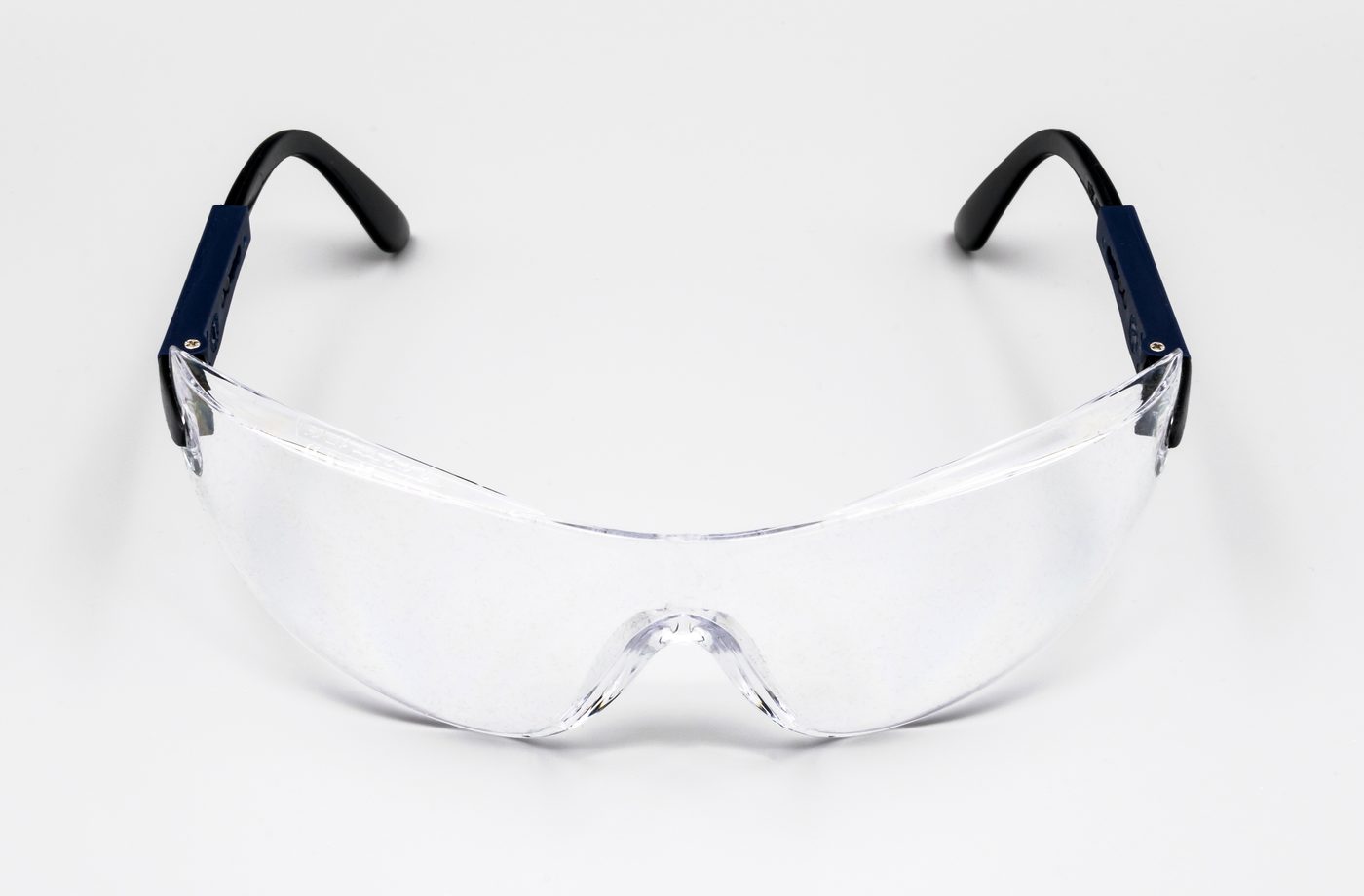
Clear safety goggles for eye protection (Source: Wikimedia Commons)
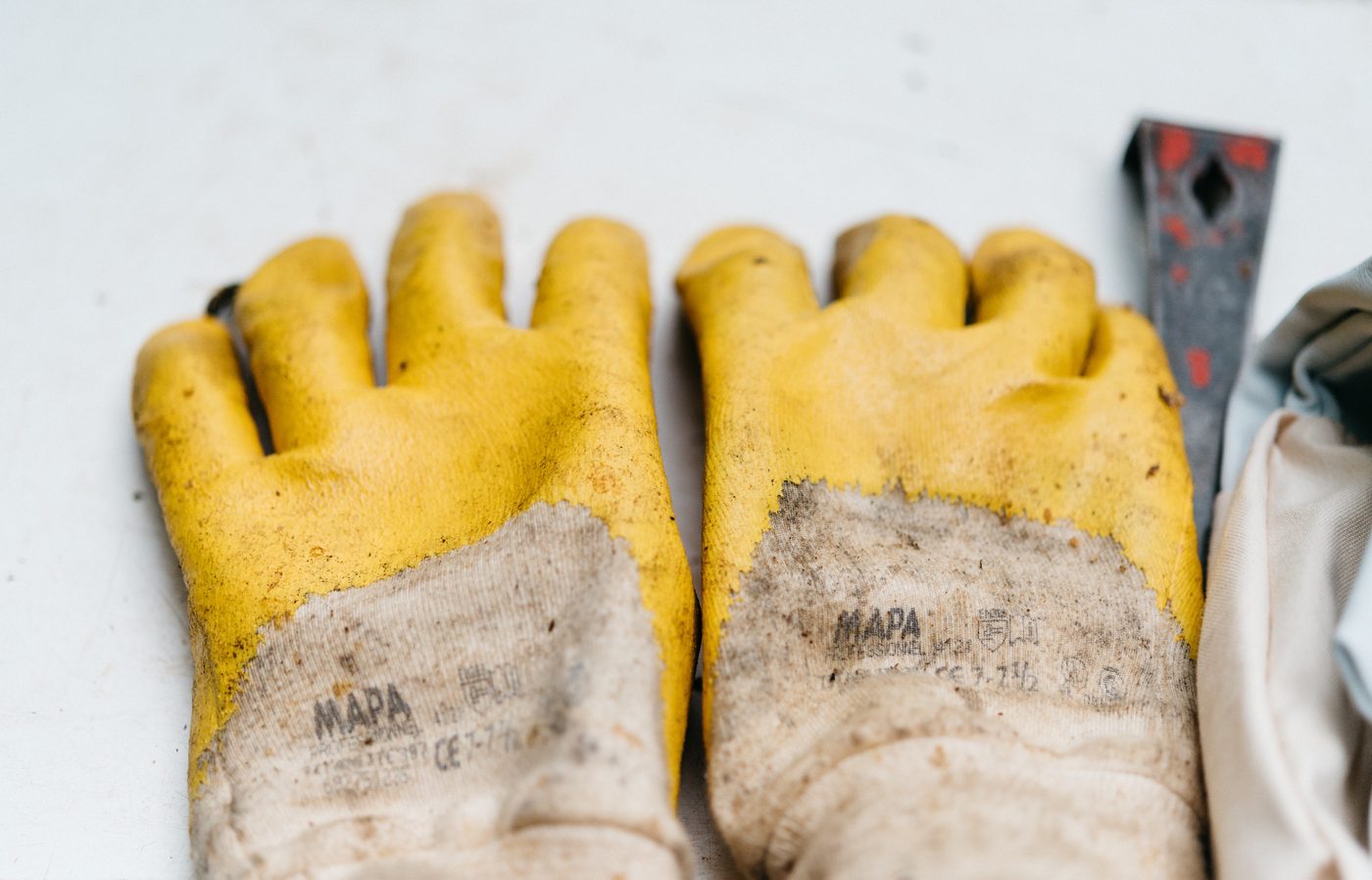
Pair of yellow work gloves used in carpentry (Source: Wikimedia Commons)
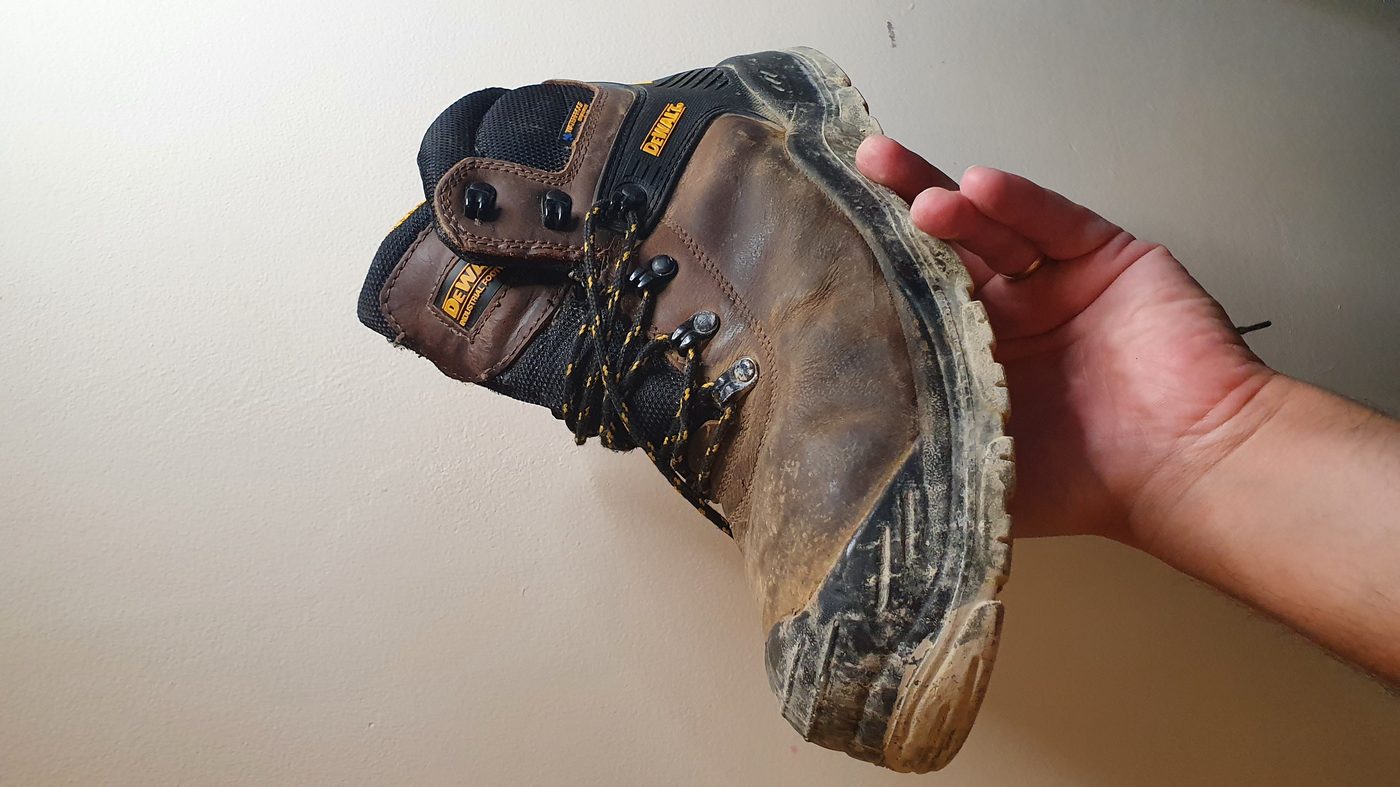
A single safety boot for industrial use (Source: Wikimedia Commons)
Ear Protection: Essential when operating noisy machinery like pipe threading machines to prevent hearing loss.
Respiratory Masks: Protect against inhalation of dust, fumes, or chemical vapors encountered in plumbing soldering or cutting.
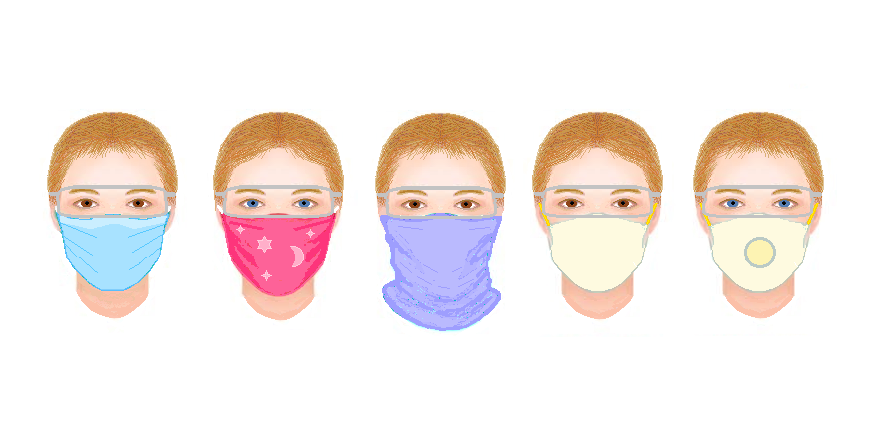
Various types of respiratory masks on faces (Source: Wikimedia Commons)
Conducting risk assessments allows identification of potential hazards and implementation of control measures to mitigate them. This proactive approach is essential in Kenya’s construction training centers and workplaces to maintain compliance with occupational safety regulations.
Create a free account to open more of this chapter.
Free: practical guides, quick cards, workplace scenarios and more.
Create a free accountThis chapter has explored essential aspects of carrying out plumbing tasks with a focus on safety, tools, and maintenance. It began by detailing plumbing workshop safety procedures that ensure a secure working environment and minimize accidents. The discussion then moved to plumbing hand tools, examining various types and their specific uses in everyday plumbing operations. Following this, the chapter covered plumbing machine tools, describing the different kinds available and their applications in enhancing efficiency and precision. Finally, the chapter emphasized the importance of maintaining plumbing tools to prolong their lifespan and ensure optimal performance. Together, these topics provide a comprehensive foundation for effective and safe plumbing practices in any workshop setting.
Type: Individual
| Tools & Equipment | Materials |
|---|---|
| Helmet | |
| Protective Gloves | |
| Dustcoat/Overall | |
| Safety boots | |
| Wrench spanner | |
| Pipe cutter | |
| Pipe reamer | |
| Hacksaw with blade | |
| Measuring tape (3 m) | |
| Workshop cleaning brush |
| S/N | Item | Quantity |
|---|---|---|
| 1 | Helmet | 1 Pc per Candidate |
| 2 | Protective Gloves | 1 Pair per Candidate |
| 3 | Dustcoat/Overall | 1 Pc per Candidate |
| 4 | Safety boots | 1 Pair per Candidate |
| 5 | Wrench spanner | 1 Pc per Candidate |
| 6 | Pipe cutter | 1 Pc per Candidate |
| 7 | Pipe reamer | 1 Pc per Candidate |
| 8 | Hacksaw with blade | 1 Pc per Candidate |
| 9 | Measuring tape (3 m) | 1 Pc per Candidate |
| 10 | Workshop cleaning brush | 1 Pc per Candidate |
| 11 | First aid kit | 1 Kit per Workshop |
| Items to be Evaluated | Marks Available | Marks Obtained | Comments |
|---|---|---|---|
| TASK 1: Use of Personal Protective Equipment (PPE) | |||
| Wore helmet correctly as per workplace safety standards (Award 1 mark for correctly worn helmet) | 1 | ||
| Wore protective gloves correctly (Award 1 mark for correctly worn gloves) | 1 | ||
| Wore dustcoat/overall properly (Award 1 mark for wearing dustcoat/overall correctly) | 1 | ||
| Wore safety boots correctly (Award 1 mark for wearing safety boots correctly) | 1 | ||
| Sub-Total | 4 | ||
| TASK 2: Safe Handling and Care of Plumbing Tools | |||
| Assembled required plumbing tools before starting work (Award 1 mark for proper tool assembly) | 1 | ||
| Used wrench spanner safely avoiding injury (Award 1 mark for safe wrench use) | 1 | ||
| Used pipe cutter safely and correctly (Award 1 mark for correct pipe cutter use) | 1 | ||
| Used pipe reamer properly to remove burrs (Award 1 mark for proper reamer use) | 1 | ||
| Used hacksaw with correct posture and blade handling (Award 1 mark for safe hacksaw operation) | 1 | ||
| Handled measuring tape safely and took measurements correctly (Award 1 mark for safe and accurate use of measuring tape) | 1 | ||
| Maintained tools in safe custody after use (Award 1 mark for care and safe storage of tools) | 1 | ||
| Sub-Total | 7 | ||
| TASK 3: Workshop Safety Procedures and Housekeeping | |||
| Cleared and cleaned work area before starting (Award 1 mark for clearing work area) | 1 | ||
| Identified and explained fire safety equipment location (Award 1 mark for correct identification of fire safety equipment) | 1 | ||
| Demonstrated proper waste disposal and workshop housekeeping (Award 1 mark for proper housekeeping) | 1 | ||
| Demonstrated awareness of emergency procedures (Award 1 mark for explaining emergency procedures) | 1 | ||
| Sub-Total | 4 | ||
| PRODUCT CHECKLIST | |||
| Correct and complete use of all required PPE (Award 1 mark for each PPE used correctly) | 4 | ||
| Safe handling and correct use of plumbing tools (Award marks as per safe handling and correct use checklist) | 7 | ||
| Workshop area cleaned and maintained as per safety standards (Award marks for proper housekeeping and safety awareness) | 4 | ||
| Sub-Total | 15 | ||
| GRAND TOTAL | 30 | ||
Type: Individual
| Tools & Equipment | Materials |
|---|---|
| Pipe wrench | PVC pipes 20 mm diameter |
| Adjustable spanner | PVC elbow fittings 20 mm |
| Hacksaw with blades | PVC T-joint fittings 20 mm |
| Pipe cutter | PVC pipe solvent cement |
| Basin wrench | Cleaning rag |
| Teflon tape | |
| Plumber's tape measure (3 m) | |
| Tube reamer/deburring tool |
| S/N | Item | Quantity |
|---|---|---|
| 1 | Pipe wrench | 1 Pc per Candidate |
| 2 | Adjustable spanner | 1 Pc per Candidate |
| 3 | Hacksaw with blades | 1 Pc per Candidate |
| 4 | Pipe cutter | 1 Pc per Candidate |
| 5 | Basin wrench | 1 Pc per Candidate |
| 6 | Teflon tape | 1 Roll per Candidate |
| 7 | Plumber's tape measure (3 m) | 1 Pc per Candidate |
| 8 | Tube reamer/deburring tool | 1 Pc per Candidate |
| 9 | Hand gloves | 1 Pair per Candidate |
| 10 | Safety goggles | 1 Pair per Candidate |
| 11 | Dustcoat overall | 1 Pc per Candidate |
| 12 | PVC pipes 20 mm diameter, 1 m length | 3 pcs per Candidate |
| 13 | PVC elbow fittings 20 mm | 2 pcs per Candidate |
| 14 | PVC T-joint fittings 20 mm | 1 pc per Candidate |
| 15 | PVC pipe solvent cement | 1 Can per 3 Candidates |
| 16 | Cleaning rag | 1 Pc per Candidate |
| Items to be Evaluated | Marks Available | Marks Obtained | Comments |
|---|---|---|---|
| TASK 1: Preparation and Safety | |||
| Wore PPE: dustcoat overall, safety goggles, hand gloves (Award 1 mark for each PPE donned as per workplace procedures 3 x 1 = 3 Marks) | 3 | ||
| Sub-Total | 3 | ||
| TASK 2: Tool Selection and Handling | |||
| Selected appropriate plumbing hand tools for PVC pipe installation (Award 1 mark for each correct tool selected and handled properly 4 x 1 = 4 Marks) | 4 | ||
| Sub-Total | 4 | ||
| TASK 3: Pipe Measurement and Cutting | |||
| Measured and marked PVC pipes accurately to 1000 mm total length including fittings (Award 3 marks for accurate measurement and marking = 3 Marks) | 3 | ||
| Cut PVC pipes cleanly using pipe cutter or hacksaw (Award 3 marks for clean, square cuts without damage = 3 Marks) | 3 | ||
| Deburred cut edges using tube reamer (Award 2 marks for proper deburring = 2 Marks) | 2 | ||
| Sub-Total | 8 | ||
| TASK 4: Pipe Assembly and Jointing | |||
| Applied solvent cement correctly to pipe ends and fittings (Award 4 marks for correct application and joining = 4 Marks) | 4 | ||
| Used Teflon tape correctly on threaded joints where applicable (Award 2 marks for correct use of Teflon tape = 2 Marks) | 2 | ||
| Assembled pipe run with two 90-degree elbows and one T-joint as per drawing (Award 4 marks for correct assembly as per drawing = 4 Marks) | 4 | ||
| Sub-Total | 10 | ||
| TASK 5: Final Inspection and Housekeeping | |||
| Checked pipe run alignment and fittings for tightness and leaks (Award 3 marks for thorough inspection = 3 Marks) | 3 | ||
| Cleaned tools and cleared workspace (Award 2 marks for proper housekeeping = 2 Marks) | 2 | ||
| Sub-Total | 5 | ||
| PRODUCT CHECKLIST | |||
| Pipe run total length 1000 mm ±5 mm (Award 3 marks for accurate length within tolerance = 3 Marks) | 3 | ||
| Correct positioning and orientation of two 90-degree elbows and one T-joint (Award 4 marks for correct fitting placement as per drawing = 4 Marks) | 4 | ||
| Clean, leak-free solvent welded joints (Award 4 marks for quality joints without leaks = 4 Marks) | 4 | ||
| No damage or cracks on pipes or fittings (Award 2 marks for no visible damage = 2 Marks) | 2 | ||
| Overall neatness and professional finish (Award 2 marks for neat and professional work = 2 Marks) | 2 | ||
| Sub-Total | 15 | ||
| GRAND TOTAL | 45 | ||
At the start of this chapter we promised you would be able to:
Tick each one you can genuinely do.
So, are you there yet?
You're competent when you can confidently do 50% or more of what this chapter promised.
Sign in to record how you're doing.