
By the end of this chapter, you will be able to:
These skills will help you build strong, durable ground floor slabs that are essential for safe and lasting construction projects.
Constructing a ground floor slab is a critical phase in masonry works that establishes the foundation for a stable and durable structure. This process requires careful preparation, adherence to safety standards, and precise execution to ensure the slab can support the loads imposed by the building and its occupants. In Kenya, professionals working in diverse sectors such as county government offices, hospitals, and educational institutions must understand the technical and safety aspects of slab construction to maintain quality and compliance with national building codes.
Personal Protective Equipment (PPE) plays a vital role in protecting workers from hazards commonly encountered during ground floor slab construction. The use of appropriate PPE minimizes the risk of injury and promotes a safe working environment, which is essential in workplaces such as retail businesses and SACCO offices where safety standards must be upheld.
The types of PPE required on a construction site vary depending on the specific risks present. Workers involved in ground floor slab construction typically use a combination of the following PPE to ensure comprehensive protection.
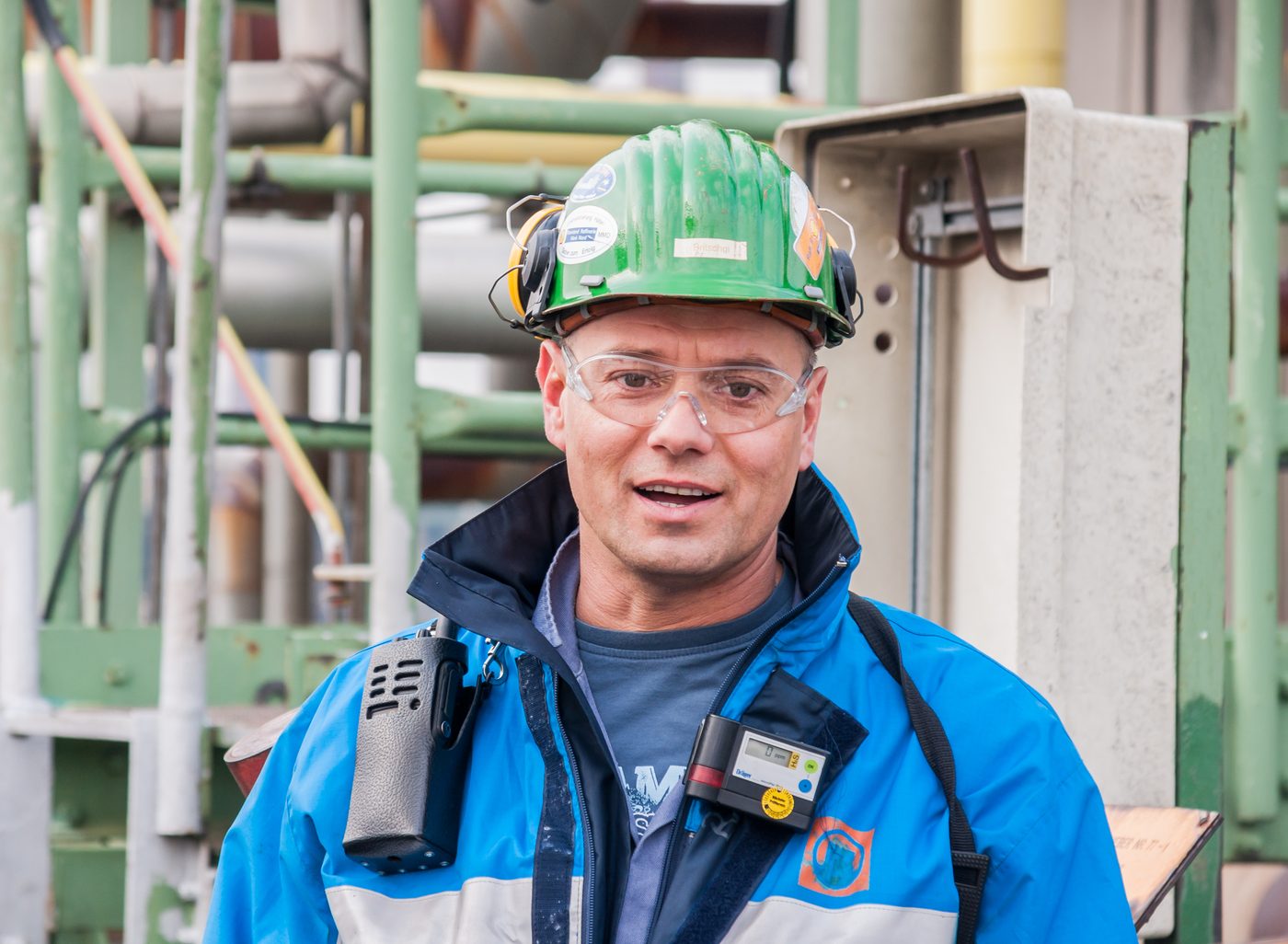
Green hard hat worn by worker (Source: Wikipedia (Hard hat))
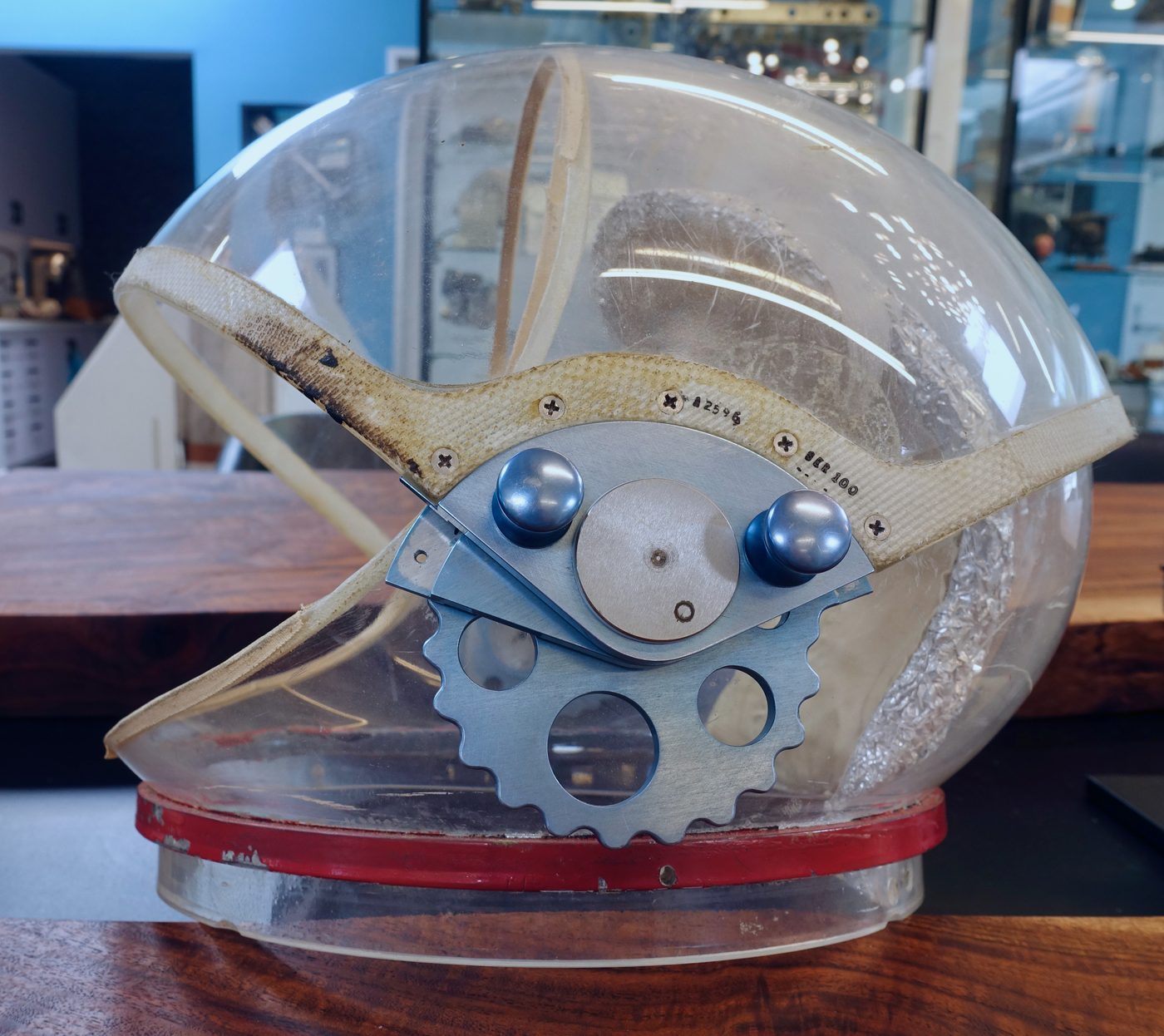
Helmet liner inside a transparent helmet model (Source: Wikimedia Commons)
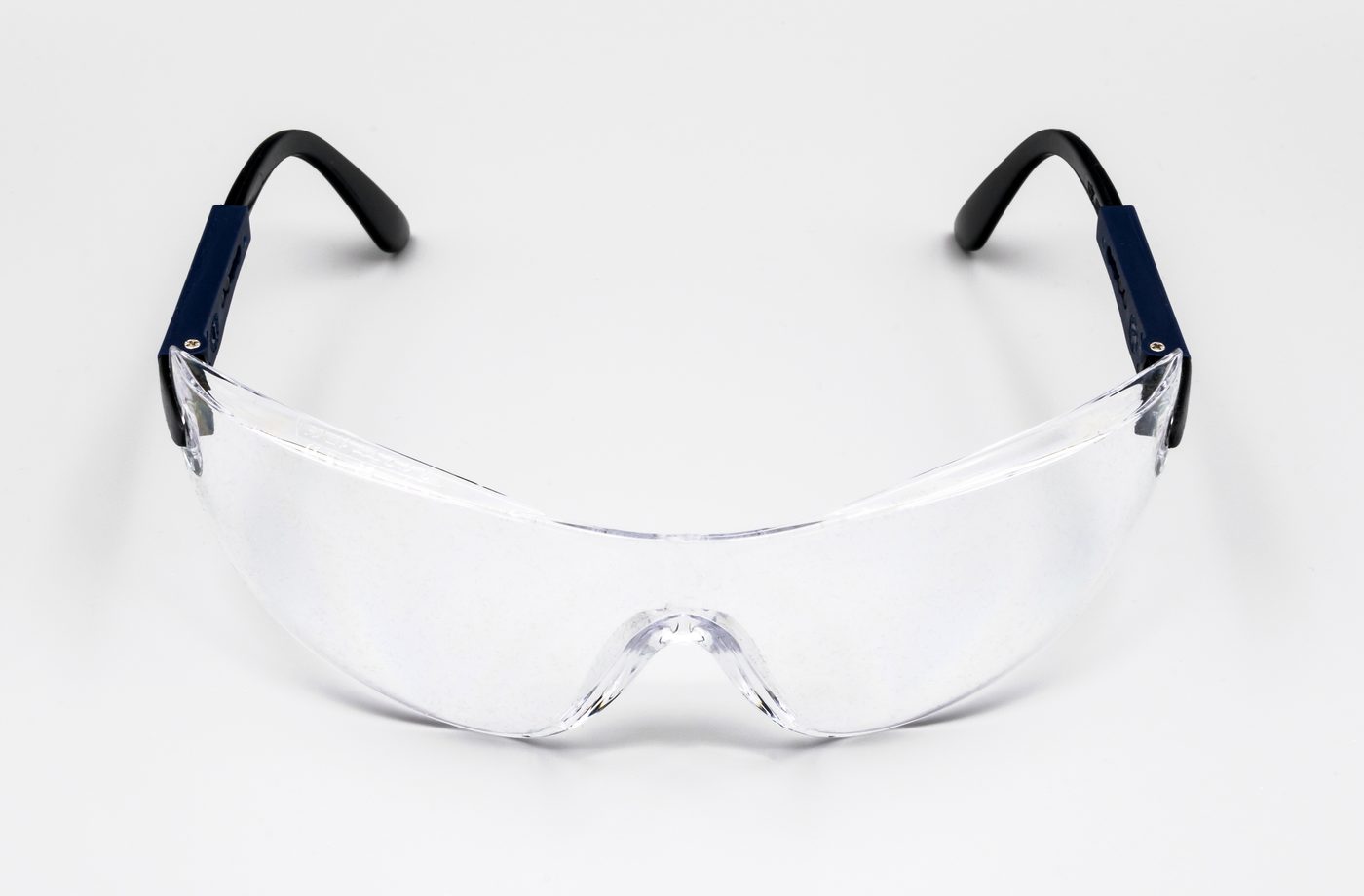
Clear safety goggles for eye protection (Source: Wikimedia Commons)
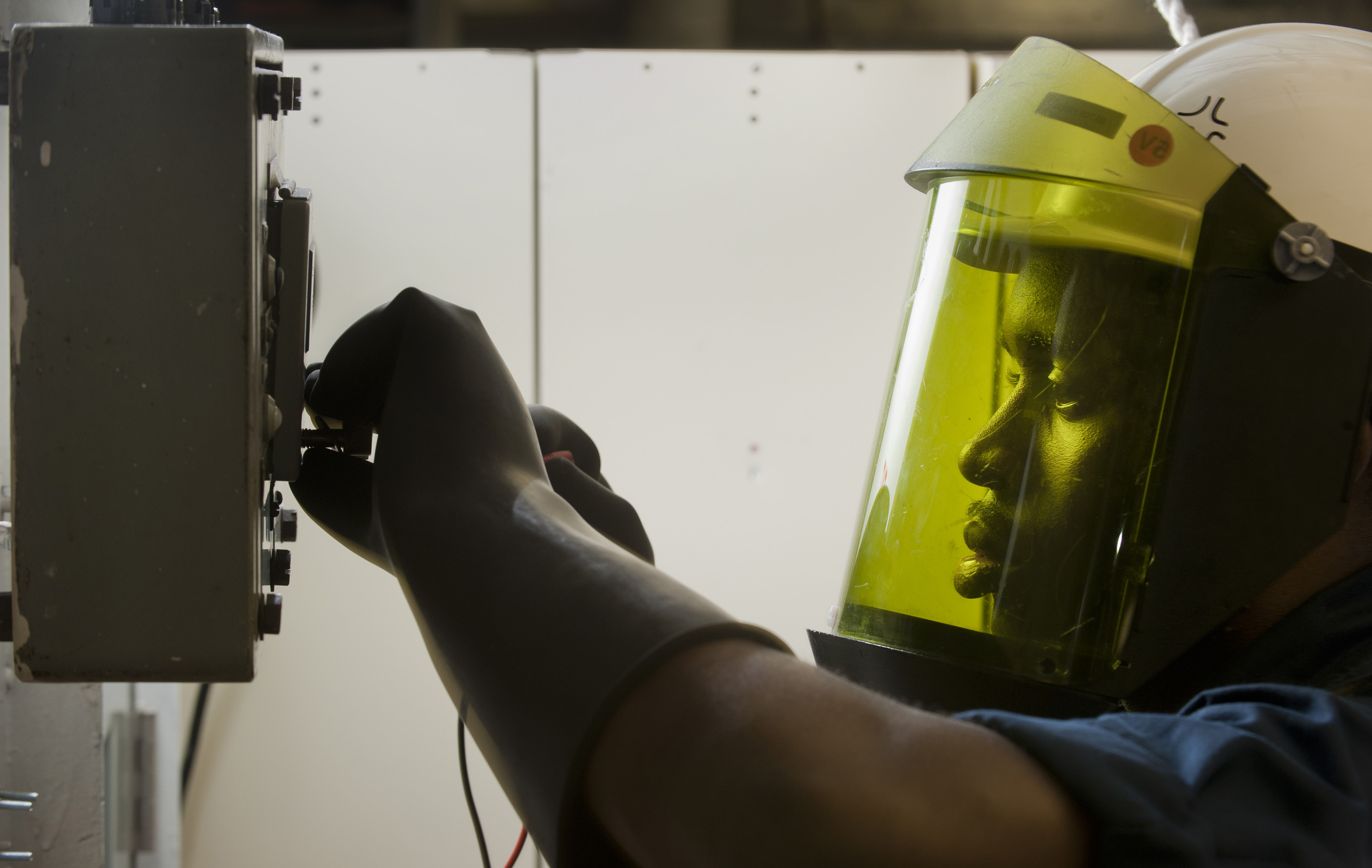
Person wearing a yellow face shield (Source: Wikipedia (Face shield))
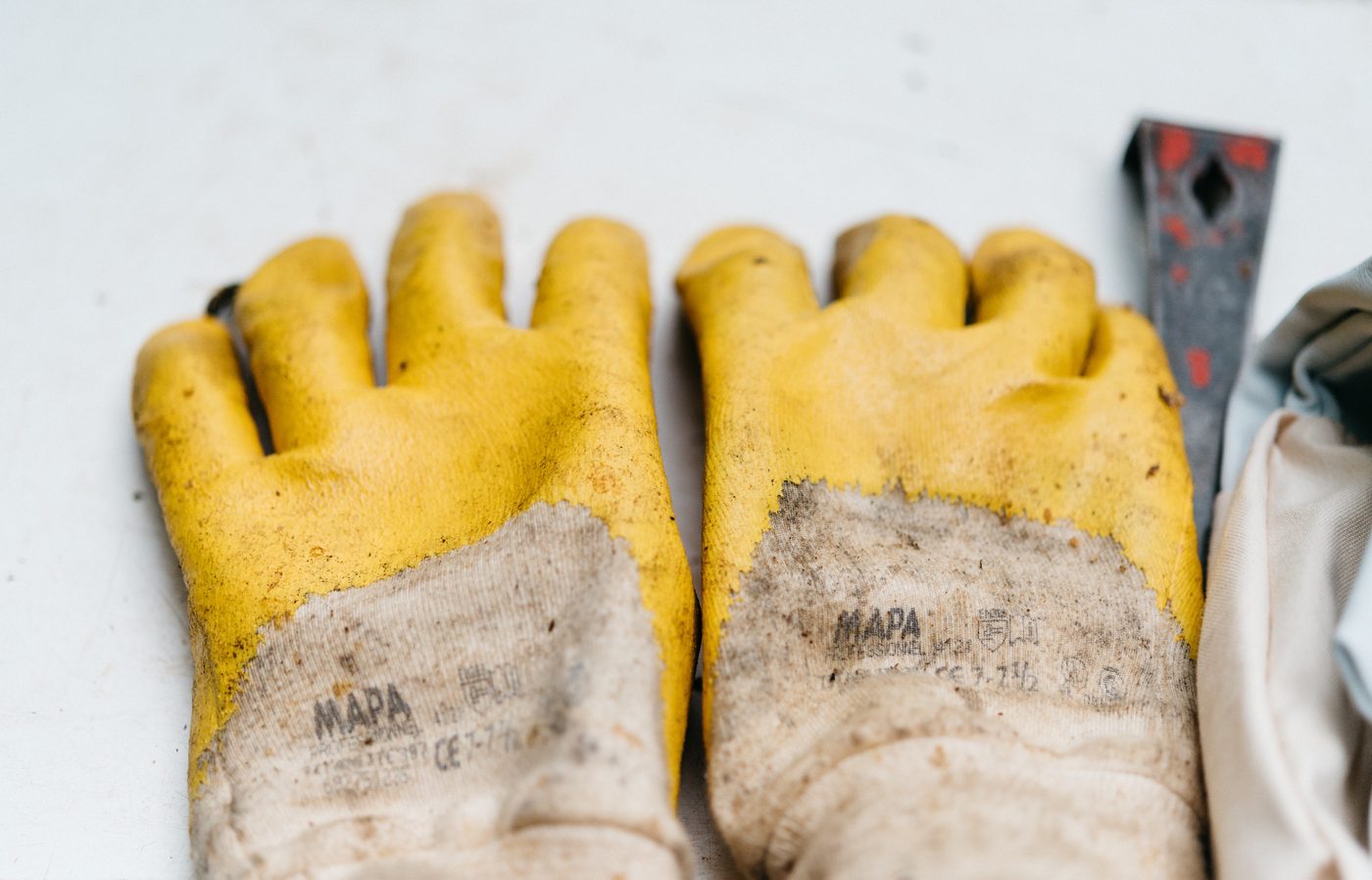
Pair of yellow work gloves used in carpentry (Source: Wikimedia Commons)
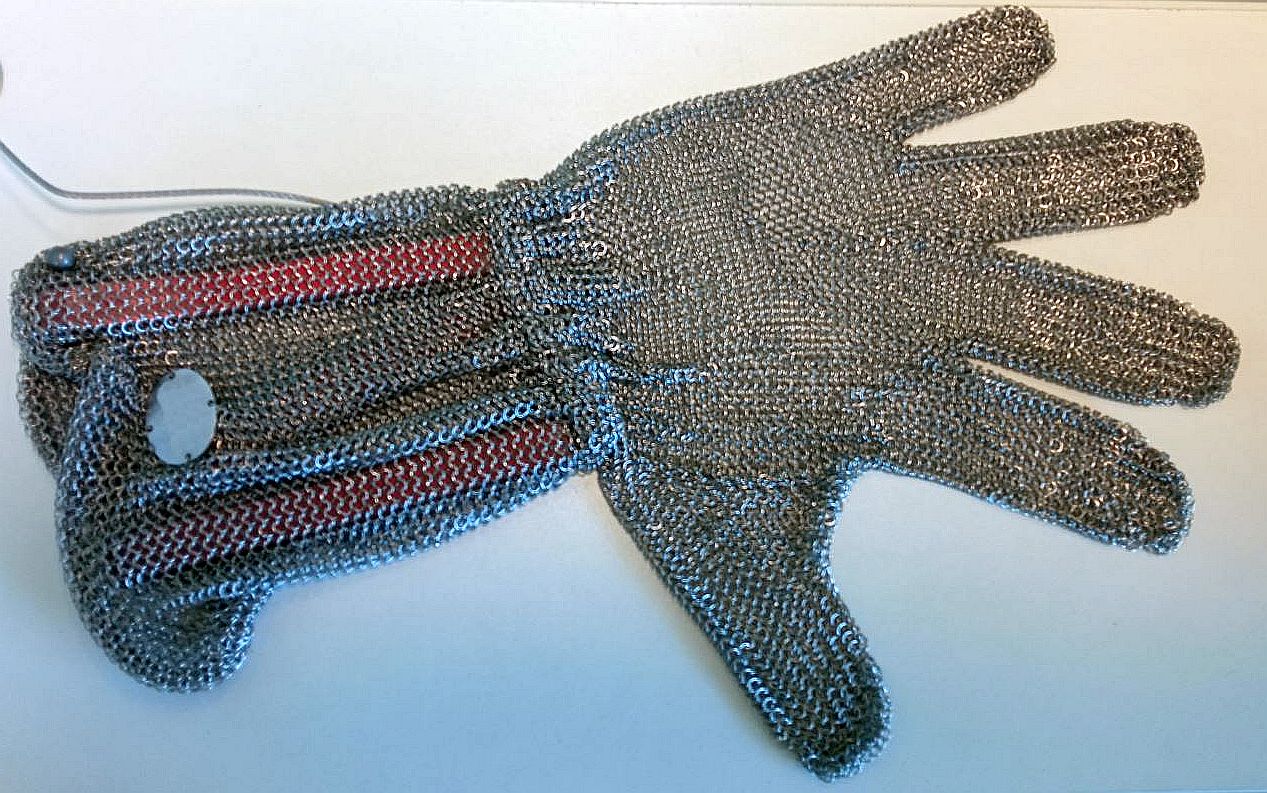
Metal mesh cut-resistant glove (Source: Wikimedia Commons)
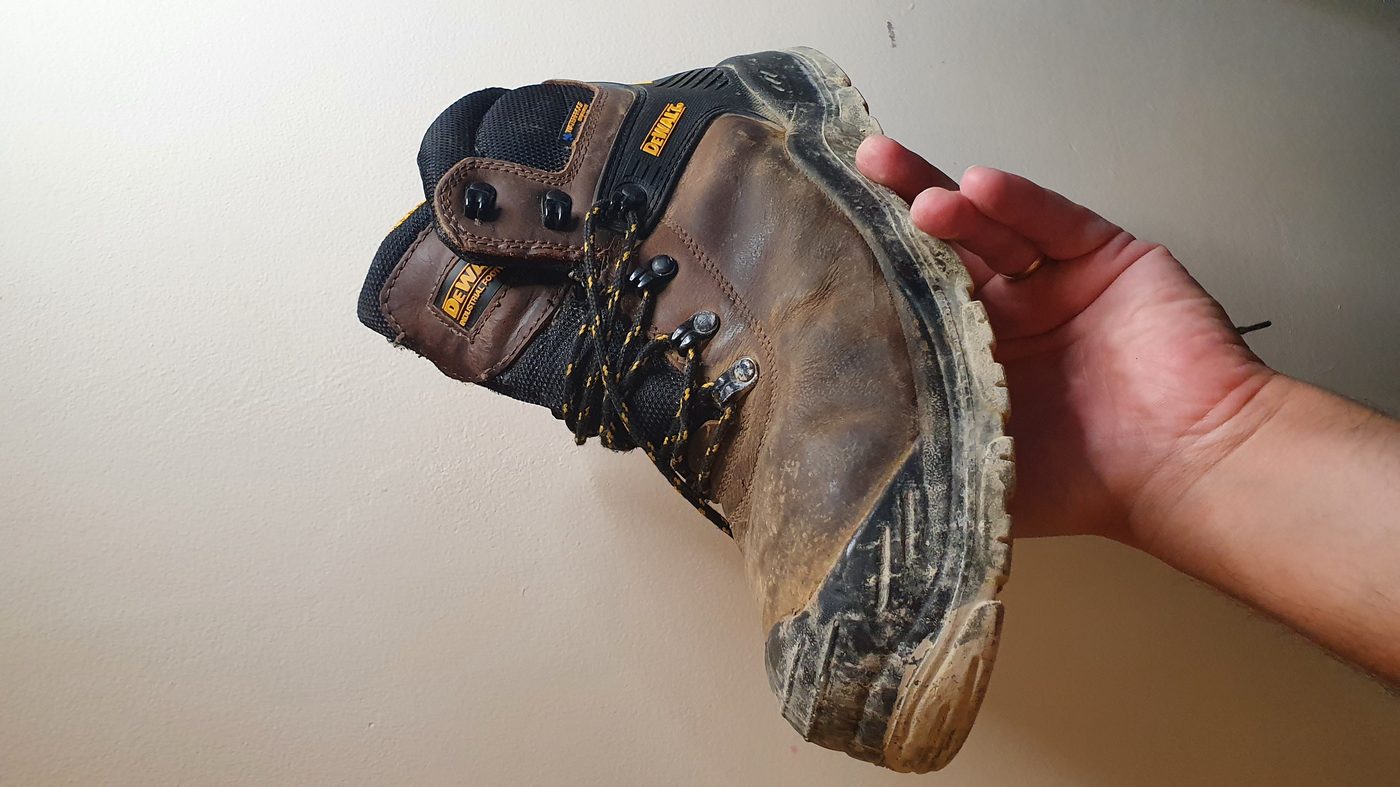
A single safety boot for industrial use (Source: Wikimedia Commons)
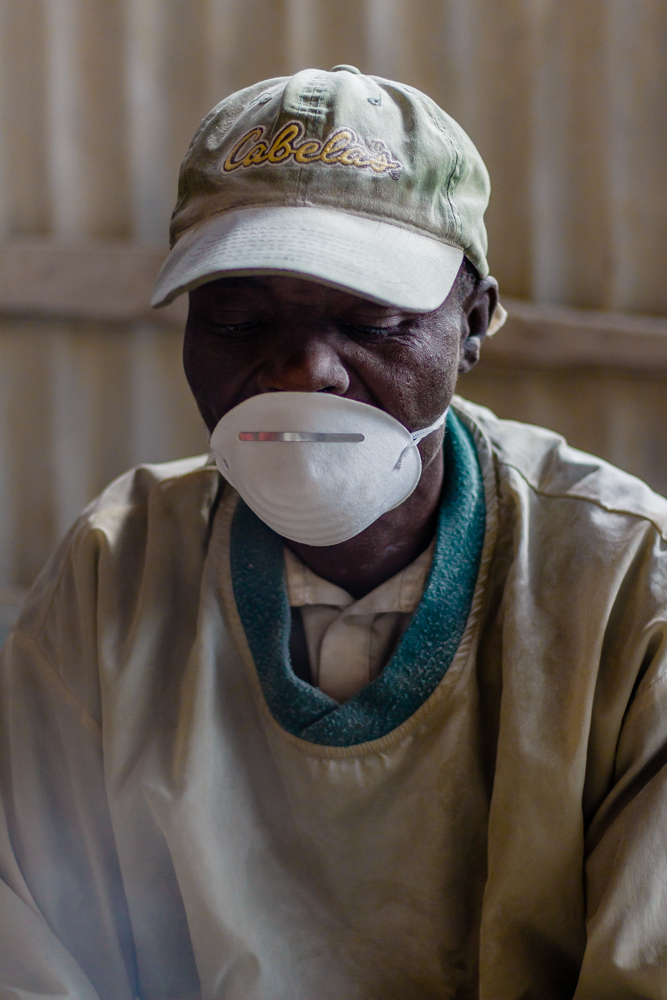
Person wearing a dust mask (Source: Wikimedia Commons)
The correct use of PPE ensures that workers remain safe and healthy throughout the slab construction process. Understanding when and how to use each type of PPE is crucial for maintaining compliance with occupational safety regulations.
Create a free account to open more of this chapter.
Free: practical guides, quick cards, workplace scenarios and more.
Create a free accountThis chapter covers the essential steps and considerations involved in constructing a ground floor slab. It begins by highlighting the various types of personal protective equipment required on site and their specific uses to ensure worker safety. The process of laying hardcore is explained, emphasizing proper preparation and compaction techniques. Following this, the chapter details the procedures for applying murram blinding to create a smooth base for the slab. Formwork erection is described with a focus on stable and accurate assembly to shape the concrete. The chapter then explores different types of damp proofing, including membranes, sprays, and waterproofing additives, alongside the correct application methods. Concrete casting procedures are outlined, stressing proper mixing, pouring, and leveling. Finally, the importance of curing is discussed, with various methods such as water curing, use of jute sacks, blankets, sand, and curing agents, together with their implementation to ensure concrete strength and durability.
Type: Individual
| Tools & Equipment | Materials |
|---|---|
| Shovel | Murram |
| Wheelbarrow | Quarry dust |
| Tape measure | Water |
| Spirit level | |
| Builders line | |
| Handheld rammer | |
| Plumb bob | |
| Mason's square | |
| Hard brush |
| S/N | Item | Quantity |
|---|---|---|
| 1 | Shovel | 1 Pc per 2 Candidates |
| 2 | Wheelbarrow | 1 Pc per Candidate |
| 3 | Tape measure (5m) | 1 Pc per Candidate |
| 4 | Spirit level | 1 Pc per Candidate |
| 5 | Builders line | 1 Pc per Candidate |
| 6 | Handheld rammer | 1 Pc per 3 Candidates |
| 7 | Plumb bob | 1 Pc per Candidate |
| 8 | Mason's square | 1 Pc per Candidate |
| 9 | Hard brush | 1 Pc per 5 Candidates |
| 10 | PPE (Dustcoat, Safety boots, Gloves) | 1 Set per Candidate |
| 11 | Murram | 1 Wheelbarrow per Candidate |
| 12 | Quarry dust | 1 Wheelbarrow per Candidate |
| 13 | Water | 10 Litres per Candidate |
| Items to be Evaluated | Marks Available | Marks Obtained | Comments |
|---|---|---|---|
| TASK 1: Preparation and Compaction of Hardcore Base | |||
| Wore PPEs appropriately (dustcoat, safety boots, gloves) (Award 1 mark each for each PPE donned = 3 Marks) | 3 | ||
| Cleared and prepared the working area free from debris (Award 2 marks for proper clearing and preparation) | 2 | ||
| Measured and marked the hardcore base area to 2000mm x 2000mm accurately using tape measure and builders line (Award 1.5 marks for each correct dimension marked = 3 Marks) | 3 | ||
| Excavated topsoil and removed unsuitable materials to the required depth of 150mm (Award 3 marks for correct excavation depth and clearing) | 3 | ||
| Spread murram evenly over the excavated area to form the hardcore base (Award 2 marks for even spreading of murram) | 2 | ||
| Levelled the murram base using spirit level and mason's square ensuring uniform thickness (Award 3 marks for correct levelling and thickness) | 3 | ||
| Compacted the hardcore base using handheld rammer in layers (Award 4 marks for proper compaction technique and layering) | 4 | ||
| Spread quarry dust over the compacted hardcore and wetted with water (Award 2 marks for spreading and wetting) | 2 | ||
| Compacted the quarry dust layer to finish the hardcore base (Award 3 marks for effective compaction) | 3 | ||
| Cleaned the working area after completion (Award 2 marks for housekeeping and waste disposal) | 2 | ||
| Sub-Total | 27 | ||
| PRODUCT CHECKLIST | |||
| Hardcore base dimensions 2000mm x 2000mm with 150mm thickness within ±10mm tolerance (Award 2 marks for length and width each) | 4 | ||
| Hardcore base is levelled with maximum deviation of 5mm (Award 3 marks for horizontal level within tolerance) | 3 | ||
| Hardcore base is compacted uniformly and firm with no loose areas (Award 5 marks for firmness and even compaction) | 5 | ||
| Edges and corners are well defined and square using mason's square (Award 1 mark for each corner well defined and square = 4 Marks) | 4 | ||
| Surface is clean and free from debris after finishing (Award 2 marks for neatness and cleanliness) | 2 | ||
| Sub-Total | 18 | ||
| GRAND TOTAL | 45 | ||
Type: Individual
| Tools & Equipment | Materials |
|---|---|
| Shovel | Murram |
| Wheelbarrow | Water |
| Tape measure | |
| Spirit level | |
| Builder's line | |
| Handheld rammer | |
| Plumb bob | |
| Mason's square | |
| Hard brush |
| S/N | Item | Quantity |
|---|---|---|
| 1 | Shovel | 1 Pc per 2 Candidates |
| 2 | Wheelbarrow | 1 Pc per Candidate |
| 3 | Tape measure (5 m) | 1 Pc per Candidate |
| 4 | Spirit level | 1 Pc per Candidate |
| 5 | Builder's line | 1 Pc per Candidate |
| 6 | Handheld rammer | 1 Pc per 3 Candidates |
| 7 | Plumb bob | 1 Pc per Candidate |
| 8 | Mason's square | 1 Pc per Candidate |
| 9 | Hard brush | 1 Pc per 5 Candidates |
| 10 | PPE (dust coat, safety boots, gloves) | 1 Set per Candidate |
| 11 | Murram | 1 Wheelbarrow per Candidate |
| 12 | Water | 10 Litres per Candidate |
| Items to be Evaluated | Marks Available | Marks Obtained | Comments |
|---|---|---|---|
| TASK 1: Application of Murram Blinding Layer | |||
| Wore PPE appropriately (dust coat, safety boots, gloves) (Award 3 x 1 marks each = 3 Marks) | 3 | ||
| Cleared and prepared the working area free from debris (Award 2 marks for clearing the area = 2 Marks) | 2 | ||
| Measured and marked out the 1m x 1m slab area using builder's line and tape measure (Award 2 x 1 marks for length and width = 2 Marks) | 2 | ||
| Spread murram evenly over the hardcore base to approximately 50mm thickness (Award 3 marks for correct spreading = 3 Marks) | 3 | ||
| Levelled the murram blinding layer using spirit level and mason's square (Award 3 marks for accurate levelling = 3 Marks) | 3 | ||
| Compacted the murram layer thoroughly using handheld rammer (Award 3 marks for proper compaction = 3 Marks) | 3 | ||
| Checked for uniform thickness and surface evenness (Award 2 marks for uniform thickness and even surface = 2 Marks) | 2 | ||
| Finished surface by brushing with hard brush to remove loose particles (Award 2 marks for neat finishing = 2 Marks) | 2 | ||
| Carried out housekeeping by cleaning tools and workspace (Award 2 marks for proper housekeeping = 2 Marks) | 2 | ||
| Sub-Total | 22 | ||
| PRODUCT CHECKLIST | |||
| Slab area dimensions 1m x 1m within ±10mm tolerance (Award 3 marks for correct dimensions) | 3 | ||
| Murram blinding layer thickness 50mm ±5mm (Award 4 marks for correct thickness) | 4 | ||
| Surface levelness with no visible undulations (checked with spirit level) (Award 4 marks for level surface) | 4 | ||
| Compactness and firmness of blinding layer (Award 4 marks for firm compaction) | 4 | ||
| Clean and neat finished surface free from loose debris (Award 3 marks for neatness) | 3 | ||
| Sub-Total | 18 | ||
| GRAND TOTAL | 40 | ||
At the start of this chapter we promised you would be able to:
Tick each one you can genuinely do.
So, are you there yet?
You're competent when you can confidently do 50% or more of what this chapter promised.
Sign in to record how you're doing.