
By the end of this chapter, you will be able to:
Mastering these skills will help you deliver high-quality, safe produce that meets industry standards and customer expectations in the real world.
Post-harvest activities are critical in horticultural production, especially for vegetable crops grown in open environments. Proper handling after harvest preserves quality, extends shelf life, and reduces losses, which is crucial for Kenyan farmers who rely on vegetables for income and food security. This chapter focuses on the occupational safety and health procedures to protect workers during post-harvest operations and details the tools, equipment, supplies, and materials necessary for efficient and safe handling of vegetable crops.
Occupational safety and health (OSH) are vital in horticultural post-harvest activities to prevent injuries and illnesses among workers who handle sharp tools, operate machinery, and perform repetitive tasks. In Kenya, adherence to OSH regulations protects workers and ensures compliance with laws such as the Occupational Safety and Health Act (OSHA) 2007. Proper safety protocols contribute to a productive workforce in vegetable farms, packing houses, and markets.
Recognizing hazards is the first step in creating a safe working environment. In vegetable post-harvest operations, hazards can be physical, chemical, biological, or ergonomic.
Physical hazards include sharp knives, cutting tools, heavy lifting, and machinery that can cause cuts, bruises, or fractures. For example, workers at a tomato packing facility may face risks from conveyor belts or sorting machines.
Exposure to pesticides or sanitizers used during washing or treatment of vegetables poses chemical risks. For instance, improper handling of chlorine solutions in washing tanks can lead to respiratory irritation.
Workers may be exposed to bacteria, fungi, or molds present on vegetables or in the soil, which can cause infections or allergic reactions.
Repetitive motions such as sorting or packing, prolonged standing, and awkward postures can lead to musculoskeletal disorders.
Working in open fields exposes workers to harsh weather conditions including intense sun, rain, or cold, increasing risks of heat stress or hypothermia.
PPE is essential to protect workers from identified hazards. Proper selection and use reduce accidents and health problems.
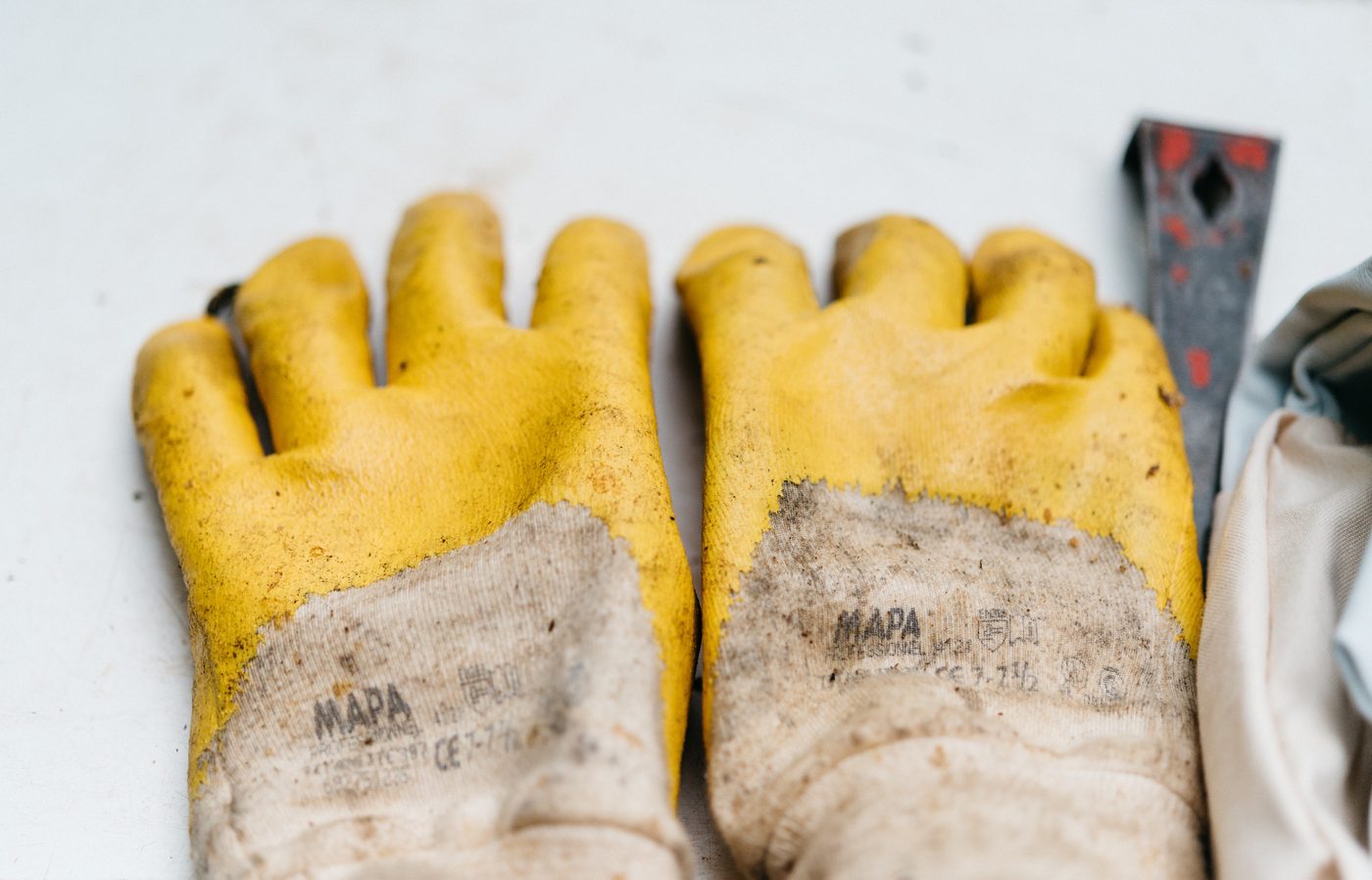
Pair of yellow work gloves used in carpentry (Source: Wikimedia Commons)
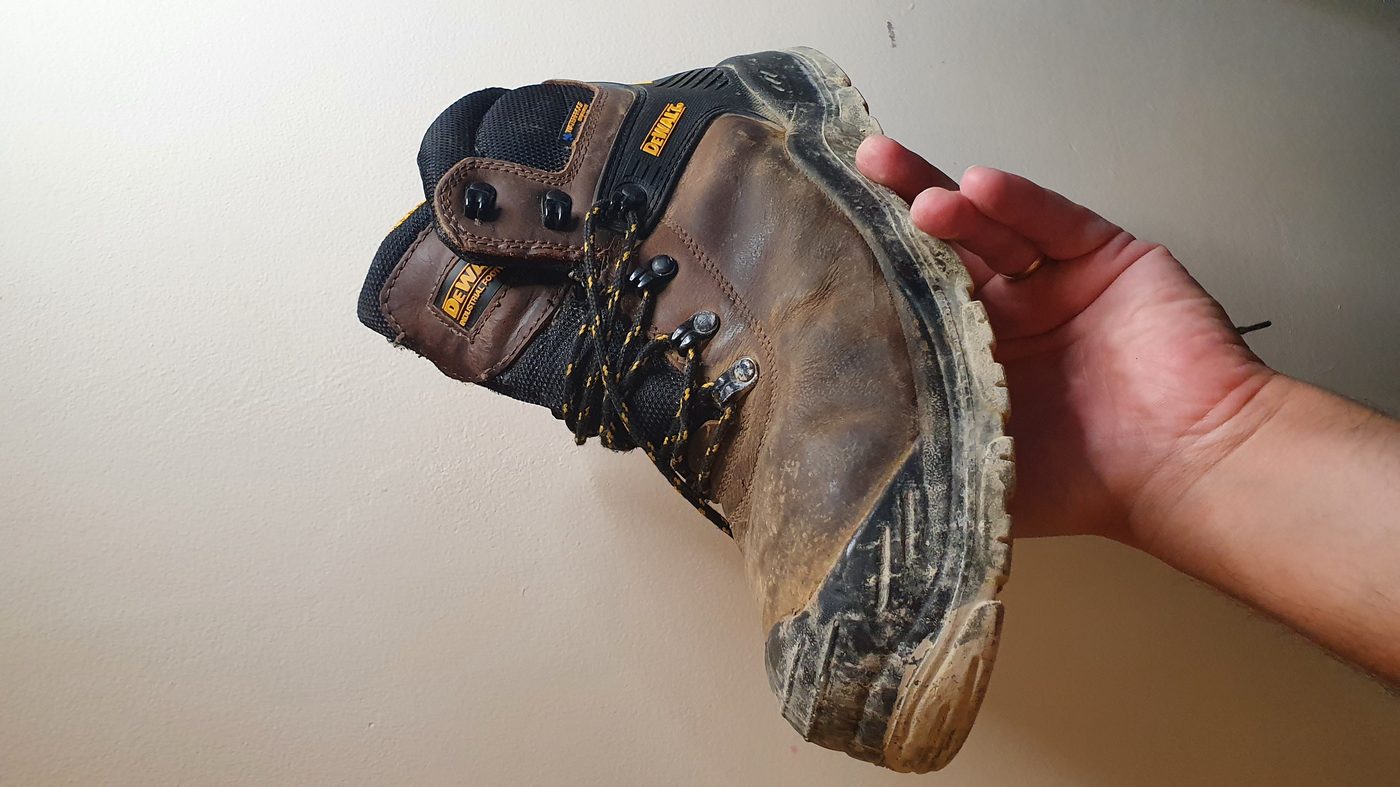
A single safety boot for industrial use (Source: Wikimedia Commons)
Workers must be trained to wear PPE correctly and check for damage before use. For example, gloves with holes or cracked boots should be replaced promptly to maintain protection.
Kenyan farms and post-harvest facilities are required by OSHA to provide PPE and enforce its use, minimizing workplace accidents.
Implementing safe work practices reduces injury risks and enhances productivity.
Workers should be trained to use knives, cutters, and machinery carefully, following manufacturer instructions and safety guidelines.
Proper lifting techniques such as bending knees and keeping loads close to the body prevent back injuries during crate lifting and stacking.
Regular handwashing and sanitizing reduce contamination risk and protect workers’ health, especially when handling fresh produce.
Post-harvest workers should be familiar with first aid measures, location of emergency exits, and reporting mechanisms for accidents.
Rotating tasks to avoid repetitive strain and scheduling breaks during peak sun hours help manage fatigue and heat stress.
Continual education on OSH ensures workers understand risks and safety measures.
New employees must undergo comprehensive safety training before starting work, covering hazard recognition and PPE use.
Periodic training updates reinforce safe practices, especially when new equipment or procedures are introduced.
Supervisors monitor compliance, provide guidance, and address unsafe behaviors promptly.
Encouraging workers to report hazards and suggest improvements fosters a proactive safety culture.
Maintaining training records and incident logs assists in monitoring OSH performance and identifying areas for improvement.
Create a free account to open more of this chapter.
Free: practical guides, quick cards, workplace scenarios and more.
Create a free accountThis chapter examined essential post-harvest activities in vegetable crop production, beginning with procedures that prioritize occupational safety and health to protect workers during handling processes. It detailed the identification, sourcing, proper use, maintenance, and storage of tools, equipment, supplies, and materials vital for efficient post-harvest operations. The discussion then covered key handling practices such as weighing, cleaning, sorting, grading, packaging, storage, and waxing, each contributing to preserving the quality and market value of vegetables. Food safety measures were emphasized to ensure that produce remains safe for consumption throughout the supply chain. The chapter also highlighted the importance of accurate record keeping to monitor post-harvest activities and improve management decisions. Waste management practices, particularly the application of the 3Rs, reduce, reuse, and recycle, were presented as sustainable approaches to minimize environmental impact. Finally, emerging trends such as automated grading systems and innovative packaging techniques were explored, showcasing advancements that enhance efficiency and product appeal in the vegetable production industry.
Type: Individual
| Tools & Equipment | Materials |
|---|---|
| Weighing scale | Dust coat |
| Ruler 15cm | Gumboots |
| Plastic bucket | Hair net |
| Hand towels | Face mask |
| Gloves | |
| Fresh French beans pods (unsorted) | |
| Soap | |
| Source of water | |
| Self-adhesive labels | |
| Punnets (pre-packed 250g) |
| S/N | Item | Quantity |
|---|---|---|
| 1 | Dust coat | 1 pc per Candidate |
| 2 | Gumboots | 1 pair per Candidate |
| 3 | Hair net | 1 pc per Candidate |
| 4 | Face mask | 1 pc per Candidate |
| 5 | Gloves | 1 pair per Candidate |
| 6 | Fresh French beans pods (unsorted) | 4 kg per Candidate |
| 7 | Plastic bucket | 1 pc per Candidate |
| 8 | Hand towels | 2 pcs per Candidate |
| 9 | Source of water | 20 Litres per Candidate |
| 10 | Soap | 1 pc per Candidate |
| 11 | Weighing scale | 1 pc per Candidate |
| 12 | Self-adhesive labels | 2 pcs per Candidate |
| 13 | Punnets (pre-packed 250g) | 2 pcs per Candidate |
| 14 | Ruler 15cm | 1 pc per Candidate |
| Items to be Evaluated | Marks Available | Marks Obtained | Comments |
|---|---|---|---|
| TASK 1: IMPLEMENT OCCUPATIONAL SAFETY AND HEALTH PROCEDURES | |||
| Wore PPEs appropriately (Dust coat, Gumboots, Hair net, Face mask, Gloves) (Award 1 mark for each PPE worn correctly or zero) | 5 | ||
| Assembled tools, equipment and materials according to workplace policy (Award 2 marks for complete assembly or zero) | 2 | ||
| Washed hands using soap and water before handling produce (Award 2 marks for proper hand washing or zero) | 2 | ||
| Sorted French beans to remove damaged, malformed, and broken pods (Award 1 mark for each type of defect removed or zero) | 3 | ||
| Measured and graded French beans using the 15cm ruler for length and visual width assessment (Award 3 marks for correct grading or zero) | 3 | ||
| Placed French beans into punnets according to weight and size grading (Award 3 marks for proper packing or zero) | 3 | ||
| Weighed punnets after packing, tared the scale, and recorded weights correctly (Award 4 marks for correct weighing and recording or zero) | 4 | ||
| Sealed and labelled punnets with produce name, weight, date of packaging, and farm address (Award 1 mark for each correct label item or zero) | 4 | ||
| Cleaned and assembled all tools and equipment after use (Award 1 mark each for cleaning and assembling or zero) | 2 | ||
| Disposed waste in an appropriate place following OSH guidelines (Award 2 marks for proper waste disposal or zero) | 2 | ||
| Sub-Total | 30 | ||
| PRODUCT CHECKLIST | |||
| Correct use of PPE throughout the activity (Award 5 marks for consistent and proper PPE use or zero) | 5 | ||
| French beans properly sorted and graded according to defects and size (Award 6 marks for correct sorting and grading or zero) | 6 | ||
| Punnets correctly packed, sealed, weighed, and labelled as per instructions (Award 7 marks for accuracy and neatness or zero) | 7 | ||
| Work area and tools cleaned and waste disposed correctly (Award 2 marks for cleanliness and compliance or zero) | 2 | ||
| Sub-Total | 20 | ||
| GRAND TOTAL | 50 | ||
Type: Individual
| Tools & Equipment | Materials |
|---|---|
| Hand gloves | Labels |
| Dust coat | Soap |
| Gumboots | Clean water |
| Hair net | |
| Face mask | |
| Sorting trays | |
| Weighing scale | |
| Plastic buckets | |
| Cleaning cloths | |
| Permanent marker |
| S/N | Item | Quantity |
|---|---|---|
| 1 | Hand gloves | 1 pair per Candidate |
| 2 | Dust coat | 1 pc per Candidate |
| 3 | Gumboots | 1 pair per Candidate |
| 4 | Hair net | 1 pc per Candidate |
| 5 | Face mask | 1 pc per Candidate |
| 6 | Sorting trays | 2 pcs per Candidate |
| 7 | Weighing scale (digital or mechanical) | 1 pc per Candidate |
| 8 | Plastic buckets | 2 pcs per Candidate |
| 9 | Cleaning cloths/hand towels | 2 pcs per Candidate |
| 10 | Labels (self-adhesive) | 5 pcs per Candidate |
| 11 | Permanent marker | 1 pc per Candidate |
| 12 | Source of clean water | 20 Litres per Candidate |
| 13 | Soap/bar soap | 1 pc per Candidate |
| Items to be Evaluated | Marks Available | Marks Obtained | Comments |
|---|---|---|---|
| TASK 1: PPE Preparation and Tool Assembly | |||
| Wore appropriate PPE: dust coat, gumboots, gloves, hair net, face mask (Award 1 mark for each PPE worn correctly or 0) | 5 | ||
| Assembled all required post-harvest tools and equipment according to workplace procedures (Award 3 marks for complete and correct assembly or 0) | 3 | ||
| Checked cleanliness and functionality of weighing scale and sorting trays (Award 2 marks for thorough check or 0) | 2 | ||
| Sub-Total | 10 | ||
| TASK 2: Identification and Selection of Tools and Materials | |||
| Identified suitable tools for cleaning and sorting the vegetable produce (Award 3 marks for correct identification or 0) | 3 | ||
| Selected appropriate containers (plastic buckets and sorting trays) for post-harvest handling (Award 3 marks for correct selection or 0) | 3 | ||
| Selected correct labeling materials and marking tools (Award 2 marks for correct selection or 0) | 2 | ||
| Sourced clean water and soap for washing produce and tools (Award 2 marks for proper sourcing or 0) | 2 | ||
| Sub-Total | 10 | ||
| TASK 3: Cleaning and Preparing Tools for Use | |||
| Cleaned sorting trays and plastic buckets using soap and water (Award 3 marks for thorough cleaning or 0) | 3 | ||
| Dried tools appropriately using cleaning cloths (Award 2 marks for proper drying or 0) | 2 | ||
| Ensured tools are arranged ready for post-harvest handling (Award 2 marks for correct arrangement or 0) | 2 | ||
| Sub-Total | 7 | ||
| PRODUCT CHECKLIST | |||
| All selected tools and equipment are clean, functional, and appropriate for post-harvest handling of 5 kg vegetable produce (Award 5 marks for complete and appropriate selection and readiness or 0) | 5 | ||
| Sub-Total | 5 | ||
| GRAND TOTAL | 32 | ||
At the start of this chapter we promised you would be able to:
Tick each one you can genuinely do.
So, are you there yet?
You're competent when you can confidently do 50% or more of what this chapter promised.
Sign in to record how you're doing.